Families judge a home by small things. Is the lift big enough for a pram? Where do wet shoes go after a rainy school run? Floor area is only part of the story. Official project pages such as the one for One Chuan Grove give the starting facts, and reading them before a visit helps you ask better questions. This article looks at the two projects through a family lens, covering space, safety, play areas, and the daily rhythm of a busy household. Keep a notebook handy. Kids will test the place for you.
What’s Covered
- Space That Grows With Kids
- Safety Inside and Around Home
- Play Areas and Shared Facilities
- Schools, Clinics and Daily Needs
- Getting Around With Little Ones
- Visiting Together and Deciding Calmly
- Conclusion
Space That Grows With Kids
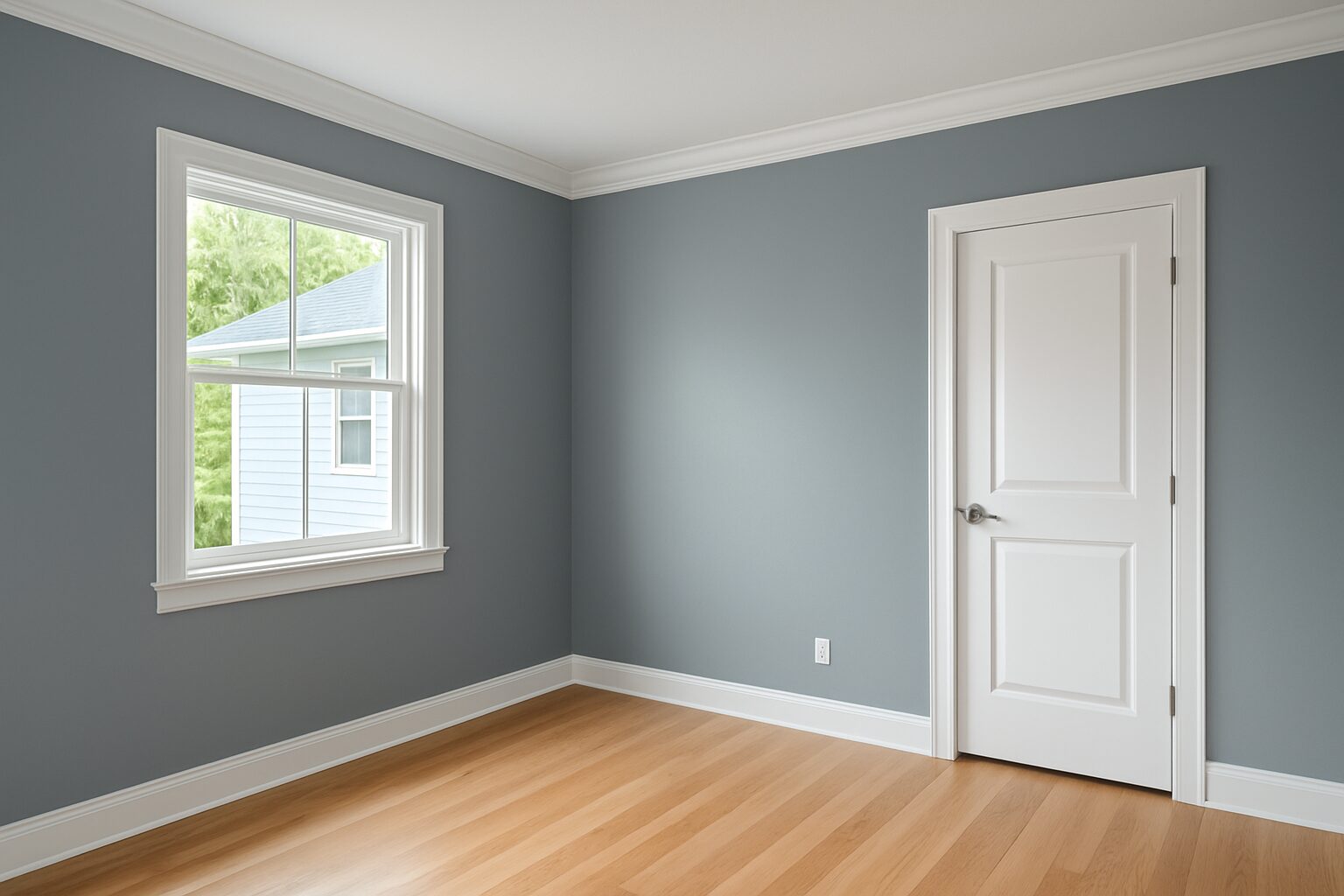
A toddler needs floor room. A teenager needs a door that closes. Look at the unit types in each project and think about who will sleep where, now and five years later. Count beds, desks, and toy boxes.
Storage often gets forgotten. Check for built-in wardrobes, a store room, or a spot for the stroller. A neat plan beats extra square feet with awkward corners. Stand in the show unit and walk through a normal morning. Shoes, bags, breakfast, out the door. If it feels cramped, it will not improve later.
Safety Inside and Around Home
Small children find trouble quickly. Check window heights, balcony railings, and the gaps between bars. Ask how the glass and locks work. Look at floor finishes too, since wet tiles near a bathroom can send a running child sliding.
Outside, watch the entrance. Is there a busy drop off lane? Are walkways separate from car paths? Open the River Opus page and compare what it says about facilities with what you see on site. Pools should have clear fencing and shallow zones. Safety rarely looks exciting, yet it matters most on the worst day.
Play Areas and Shared Facilities
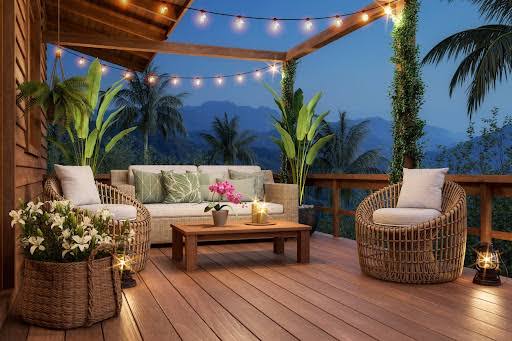
Playgrounds keep children busy and parents sane. Look for shaded spots, soft ground, and seats where adults can watch. A sunny play area at noon becomes a frying pan. Ask what equipment is planned and for which ages.
Shared facilities carry monthly costs, so check what they add to the fees. A reading corner, a small gym, a barbecue pit: each is lovely only if used. Ask neighbours in similar projects which spots fill up and which sit empty. Their answers are free and quite honest.
Schools, Clinics and Daily Needs
Mornings run on tight timing. Find the nearest schools, childcare centres, and enrichment classes around each project. Check the real travel time at school hours, not just the distance on a map.
Health care matters just as much. Find the closest clinic, a late pharmacy, and a hospital route. Fevers rarely arrive at convenient hours. Add a supermarket and a bakery to your list, since errands with tired children feel twice as long. Official education pages explain admission rules, so read them yourself rather than relying on a sales pitch.
Getting Around With Little Ones
Strollers, school bags, and scooters change how you travel. Walk from each site to the nearest station and bus stop with your own gear. Notice ramps, lifts, kerbs, and shelter from rain. A path that suits an adult may frustrate a pram.
Roads need attention too. A quiet lane near the entrance is safer for kids who run ahead. Try the route at school drop off time and again at night. Small stops add up, so choose the place where your usual trip stays calm. Calm is worth a lot.
Visiting Together and Deciding Calmly
Bring the whole family on a viewing if you can. Children notice things adults skip, like a steep ramp or a noisy pipe. Let them sit in the rooms and say what they feel.
Return to both official project pages to confirm tenure, unit mix, and timelines against your notes. Details can change. Ask for key figures in writing, then sleep on the choice for a night or two. A family decision made slowly tends to hold up well.
Conclusion
Family friendly living is not one big feature. It is a safe entrance, a usable layout, a short ride to school, and a playground with real shade. Judging both projects by these small things gives a clearer picture than any brochure can.
Trust what you see and measure. Visit more than once, bring the kids, and keep honest notes. The better home is the one that makes your ordinary week smoother, and that answer often arrives after a second, slower walk around.
What You Need to Know
- When evaluating a home, families should consider practical factors such as storage options, safety features, and how space can adapt as children grow.
- Safety assessments should include checking window heights, balcony railings, and the condition of outdoor walkways to prevent accidents.
- Play areas should provide shaded spots, soft ground, and adult seating to ensure both children can play safely and parents can supervise comfortably.
- Proximity to essential services like schools, healthcare facilities, and supermarkets is crucial for family convenience and daily routines.
- Visiting potential homes multiple times with children can reveal important details that adults may overlook, and it’s valuable to confirm all information against official project pages.
- Family-friendly living encompasses a blend of safety, usability, location convenience, and practical features rather than just standout amenities.