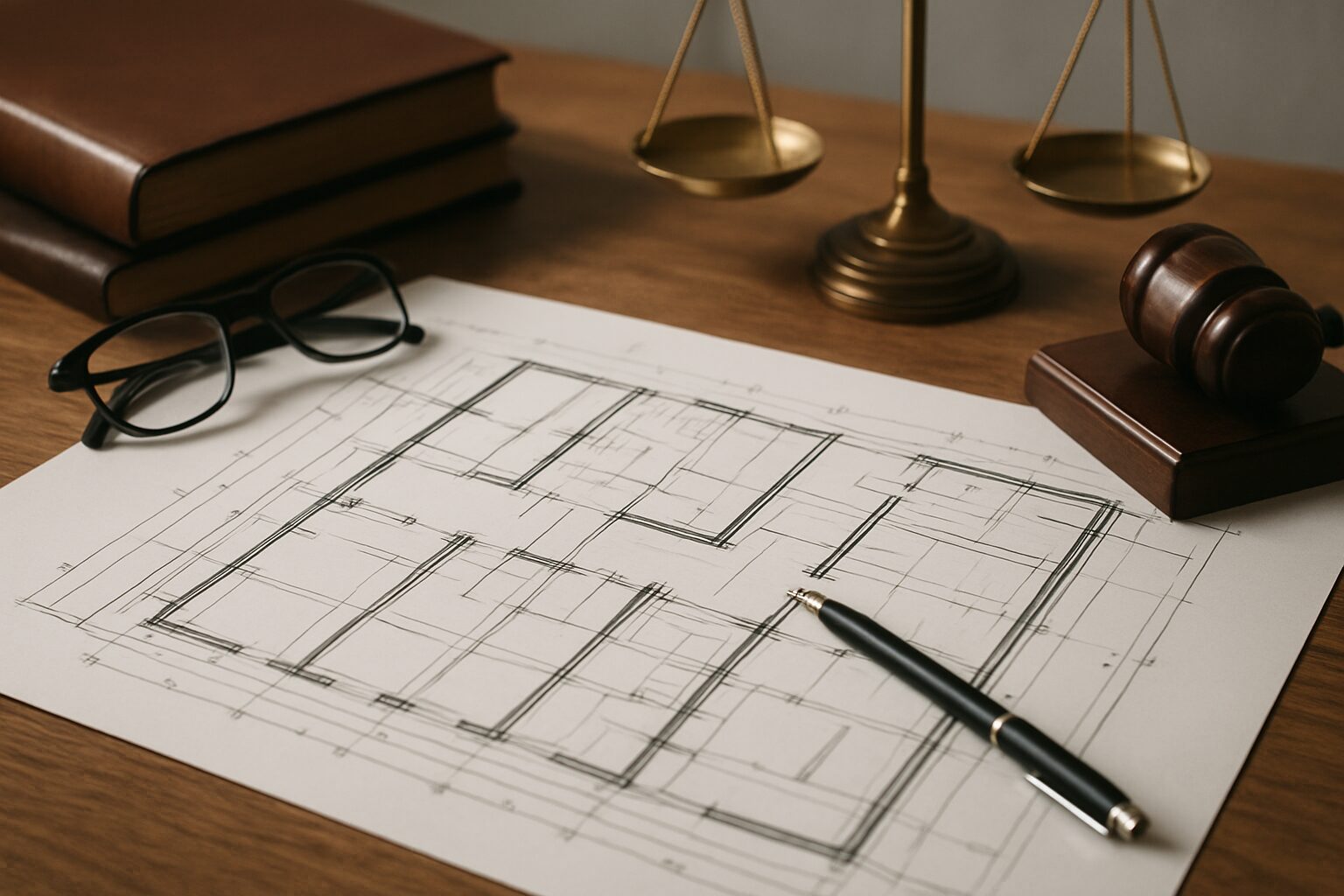
Custom home in NSW is not just about the floor plan and finishes. Somebody has to keep the design on site, in compliance with building rules and budget. So, when problems do arise, the question becomes simple: who takes on design risk − the architect or builder?
It depends on the contract, the design process, and who does what.
Houses by Architects: Who Rules the Roof?
An owner-driven project begins with design. The architect will likely have to contend with layout, materials, natural light, and aesthetics. They may also help in arranging documents and appoint consultants.
But, as appealing as the design may be, building it is not always so easy. Intricate rooflines, atypical building materials, and expansive glass openings can drive cost or design issues.
Not all blueprints are practical, however, the builder has to check that. If the builder finds a problem prior to construction, it needs to be raised early. Clear communication can save unnecessary costly changes later.
Builder Home Comes with Pragmatism Built in from the Start
Builder-designed homes are usually focused on construction methodology, controlling cost, and site conditions from the outset. This way, the gap between design and building can be bridged.
Consultation with builders allows an opportunity for home builders in Sydney NSW to give input on what materials and building structure will be needed along with the costs of construction before finalising plans. This enables owners to make educated choices and not end up with the designs that cost them more than what they can afford.
But builder design does not eliminate all risk. It must specify who prepares the drawings, coordinates consultants, and checks against the relevant requirements.
Buildability and Variation Liability
Buildability refers to whether the design itself can be built safely, practically, and within agreed parameters. Missing data, contra pro tools, dimensions of conflicting dimensionless, or specs not to site conditions are later creating problems.
These issues can lead to inaccuracies, extended delays, and charges for service.
Before signing a contract, check:
- Guilty by Design: Who owns design errors and omissions?
- Who pays to fix the issues resulting from drawings that were not yet complete?
- Does it include the engineering and consultant fees?
- How are variations priced up and approved?
- Who has to resolve conflicts between plans and specifications?
The process to pick best custom home builders in Sydney should not just come down comparing display homes. Ask how they handle change orders, monitor costs and resolve disputes.
Who Answers to the Certifier?
The building approval process has concrete duties. A certifier assesses relevant documents and checks if required approval conditions have been met on a project basis. Under no circumstance does the certifier replace the role of the designer or builder.
Each of the designer, engineer, and builder must perform their obligations as required by the applicable laws and contracts. Owners should verify who drafts and files the necessary documents, as well as who responds once more information is requested.
See to Your Project Before Working on It
Regardless of whether an architect or builder is leading the design, a clean contract is essential. Request written clarification on responsibility for design, consultant coordination, variations, and compliance checks.
In the context of home builders in Sydney NSW consider a team willing to discuss risks, rather than never mention an unavoidable issue.
Kongstruction may be a possibility, yet owners need to question the knowledge of each owner-builder provider and search for out their deal or style strategy.
In the end, best custom home builders in Sydney successfully balance practical plan design with explicit individual accountability. With all parties understanding their role, homeowners have a better foundation for cost and delay management, as well as the risk of design dispute.
What You Need to Know
- Custom home design in NSW involves a collaboration between the architect and builder, with the responsibility for design risk varying based on the contract and processes involved.
- Builder-designed homes prioritize construction methodology, control costs, and assess site conditions from the beginning to ensure feasibility of design.
- Buildability concerns include whether the design can be built safely and practically, and issues can arise from incomplete specifications or conflicting dimensions.
- The building approval process requires a certifier to assess documents and compliance, but it does not absolve the designer or builder of their responsibilities.
- Homeowners should ensure a clean contract that clearly delineates responsibilities for design, consultant coordination, and any necessary compliance checks.