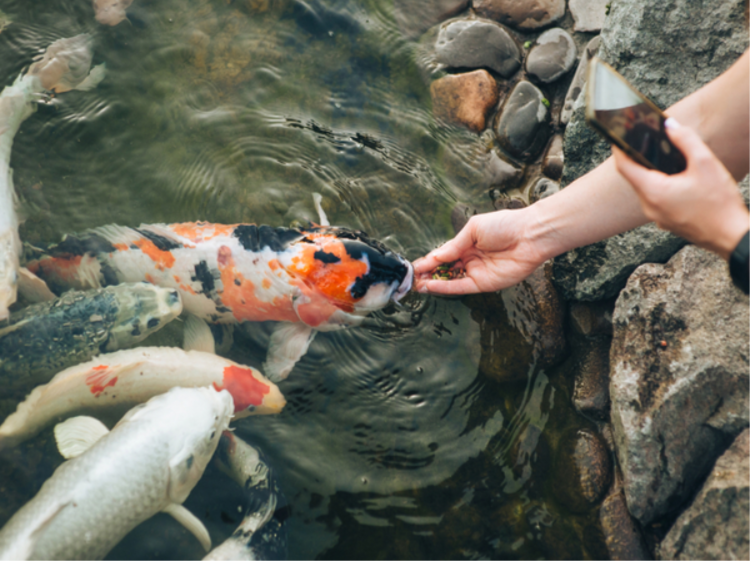
Buying koi fish is an exciting step for anyone who wants to add beauty, color, and life to a backyard pond. These graceful fish are known for their bright patterns, peaceful nature, and long lifespan. However, before bringing koi home, it is important to learn how to care for them properly. Understanding their needs, feeding habits, costs, and pond requirements will help you create a healthy environment where your fish can thrive for many years.
Understanding Koi Fish Costs and Lifespan
How Much Do Koi Fish Cost?
Koi fish come in a wide range of prices. A small koi may cost as little as $10, while rare and high-quality koi can cost thousands of dollars. The price often depends on the fish’s size, color pattern, body shape, and overall quality. Larger koi with bright colors and balanced markings are usually more expensive.
When planning your budget, remember that the cost of the fish is only part of the investment. You may also need to consider pond maintenance, filtration systems, food, and other supplies needed to keep your koi healthy.
How Long Can Koi Fish Live?
One of the most impressive things about koi fish is their lifespan. With proper care, some koi can live for several decades. Japanese koi are especially known for their long lives and may live between 40 and 60 years or even longer in ideal conditions. Other koi varieties commonly live around 15 years or more.
A healthy diet, clean water, and a well-maintained pond play an important role in helping koi reach their full lifespan. Providing proper care from the beginning can help your fish stay healthy and active for many years.
Do Koi Fish Make Pond Ownership More Difficult?
Many people assume that adding fish to a pond will create more work, but this is not always true. Koi can actually contribute to a balanced pond environment. They eat insects and larvae, which may help reduce unwanted pests. They also add movement and color that make the pond more enjoyable to watch.
In addition, koi waste provides nutrients that can support pond plants. While fish still require regular care and monitoring, they are often a natural and enjoyable part of a healthy pond ecosystem.
Feeding, Pond Management, and Fish Protection
How and When Should You Feed Koi Fish?
Koi fish are not difficult to feed. In natural pond environments, they often eat insects, algae, and plant matter. Many pond owners also provide specially formulated fish food to ensure their koi receive proper nutrition.
A common feeding guideline is to offer only as much food as the fish can eat within about five minutes. Feeding small amounts several times a day is often better than providing one large meal. Any leftover food should be removed because it can affect water quality.
Water temperature is also important. When temperatures become very cold, koi become less active and their digestion slows down. Feeding them during these periods can cause health problems, so it is best to reduce or stop feeding when the water is extremely cold.
What Happens to Koi Fish During Winter?
Koi are able to survive winter in ponds that are deep enough. During cold weather, they move to deeper water where temperatures remain more stable. Their activity level decreases significantly as they conserve energy.
Pond owners should make sure there is a small opening in any surface ice so oxygen can enter the water and gases can escape. This helps maintain a healthier environment for the fish throughout the winter season.
How Many Fish Can a Pond Support?
The number of fish a pond can safely support depends on its size and filtration system. A commonly used guideline is one inch of fish for every square foot of pond surface area. This helps prevent overcrowding and reduces the risk of poor water quality.
Too many fish can create problems such as limited food, increased waste, and excessive algae growth. On the other hand, maintaining a balanced fish population helps keep the pond healthier and easier to manage.
What Fish Can Live With Koi?
Goldfish are among the best companions for koi fish. Both species have similar care requirements and can live together peacefully in many pond environments. Since there are many varieties of both koi and goldfish, pond owners can create a colorful and attractive collection of fish.
How Can You Protect Koi Fish From Predators?
Pond fish can attract predators such as birds, raccoons, and other animals. Fortunately, there are several ways to improve their safety. Fish caves, underwater shelters, floating plants, and deeper pond sections can provide places for fish to hide when they feel threatened.
Creating a pond with plenty of cover helps reduce stress and gives koi a better chance of avoiding predators.
Do Koi Fish Eat Algae?
Yes, koi fish may eat some algae as part of their natural diet. While they can help reduce small amounts of algae, they should not be relied on as the only method of algae control. A healthy pond usually combines fish, aquatic plants, proper filtration, and regular maintenance to keep algae growth under control.
Final Thoughts
Koi fish can bring beauty, movement, and enjoyment to any pond. By learning about their costs, feeding habits, lifespan, and basic care needs, you can create a healthy environment where they can thrive. Whether you are new to pond ownership or already have experience, taking the time to understand your fish will help you enjoy a successful and rewarding pond for years to come.